Our Academic Methodologies
Our structured yet innovative approach ensures holistic development, intellectual depth and academic excellence across all secondary levels. Each methodology is carefully designed to enhance conceptual clarity, critical reasoning and long-term academic confidence.

Project-Based Learning
Project-Based Learning (PBL) encourages students to explore real-world challenges through structured academic projects. Instead of relying solely on textbook instruction, students collaborate in teams to research, analyze and present practical solutions to meaningful problems. This approach strengthens critical thinking, creativity and independent decision-making skills.
Through guided mentorship and structured evaluation, students learn how to manage time effectively, organize research materials and communicate ideas confidently. Project-Based Learning fosters innovation, teamwork and deeper subject understanding, preparing students for higher academic demands and real-life problem-solving.

Collaborative Learning
Collaborative learning promotes structured group engagement where students work together to achieve academic objectives. Through discussions, debates and shared research activities, students develop communication skills, mutual respect and leadership qualities.
This method helps learners appreciate diverse perspectives, improve analytical reasoning and build confidence in expressing ideas. By working collectively, students strengthen accountability and develop interpersonal skills essential for higher education and professional environments.

Inquiry-Based Exploration
Inquiry-Based Learning encourages students to question, investigate and explore concepts beyond surface-level understanding. Teachers guide students through structured inquiry cycles, helping them analyze data, evaluate information and draw logical conclusions.
This strategy develops independent thinking, research capabilities and academic curiosity. Students gain confidence in asking meaningful questions and seeking evidence-based answers, leading to stronger conceptual mastery and academic maturity.

Concept-Focused Mastery
Concept-Based Learning prioritizes deep understanding over memorization of facts. Students are encouraged to grasp the “why” and “how” behind every topic, ensuring meaningful academic retention.
By connecting theoretical knowledge to real-life contexts, students build stronger analytical abilities and long-term comprehension. This method prepares learners for board examinations while cultivating intellectual depth and academic confidence.
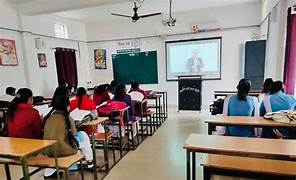
Digital & Technology Integration
Technology-enhanced classrooms integrate multimedia tools, interactive smart boards and digital research platforms to enrich the learning experience. Students gain essential digital literacy skills required for modern academic and professional environments.
Through responsible technology usage, online research and structured digital presentations, students become adaptable learners capable of navigating future academic challenges confidently.

Experiential Learning
Experiential Learning emphasizes hands-on activities, laboratory experiments and applied classroom exercises that connect theory with practical understanding. Students actively participate in simulations, demonstrations and structured activities.
This approach strengthens conceptual clarity, improves retention and enhances confidence. Students learn by doing, which builds academic competence and prepares them for higher-level analytical thinking.

Academic Mentorship
Our structured mentorship system provides individualized guidance to support academic progress and personal growth. Teachers closely monitor student performance, offer academic counseling and provide constructive feedback.
This ensures steady improvement, emotional support and board examination readiness. Mentorship fosters discipline, responsibility and self-confidence essential for lifelong success.
Structured Assessment Strategy
Continuous assessment through unit tests, mock examinations and performance analysis helps students track academic progress effectively. This systematic evaluation ensures early identification of strengths and improvement areas.
Through structured feedback and guided revision plans, students build examination confidence, time management skills and subject mastery, leading to consistent academic excellence.